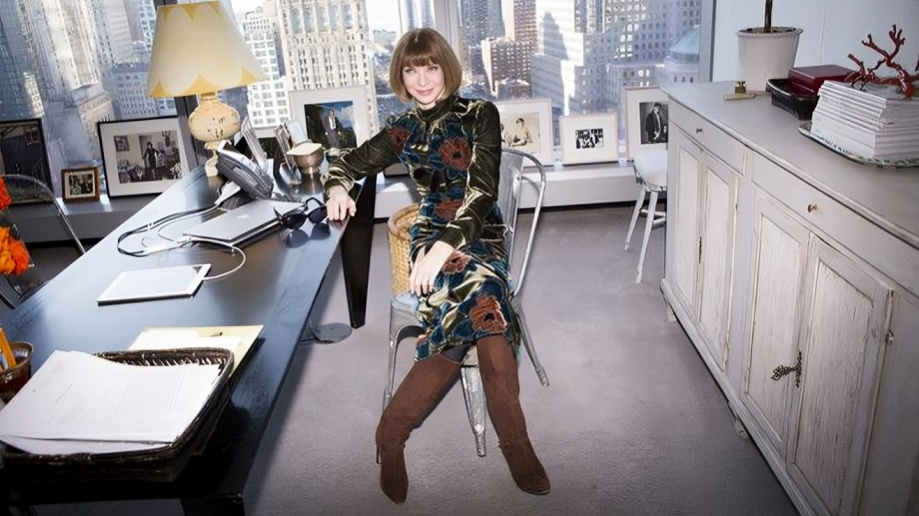
The Pre-Verbal Language
Before you even say a word, your outfit has already spoken for you. Not loudly, not aggressively, but in a way that feels almost invisible. Clothing works before language does. Before you even say a word, your outfit has already spoken for you. Not loudly, not aggressively, but in a way that feels almost invisible. Clothing works before language does. While its true clothing shapes the first impression people have on you, it also shapes how you hold yourself, how confident you feel walking into a room, and how safe or exposed you allow yourself to be. Fashion is not just visual, it’s psychology.
Your outfit is a visual statement, every choice communicates something unique about you! Here’s what different fashion choices can say about your personality:
|
Style Choice |
What It Expresses |
|
Bold Prints & Vibrant Colours |
You’re confident, creative, and love to stand out. You see fashion as art and aren’t afraid to make a statement. |
|
Minimal & Neutral Outfits |
You value clarity, calmness, and sophistication. Simplicity helps you express elegance effortlessly. |
|
Fusion of Traditional & Modern Styles |
You’re culturally rooted yet modern-minded. You love blending heritage with innovation. |
|
Sustainable or Handcrafted Pieces |
You care about conscious living and support ethical fashion. You want your wardrobe to reflect your values. |
The Cognitive Impact
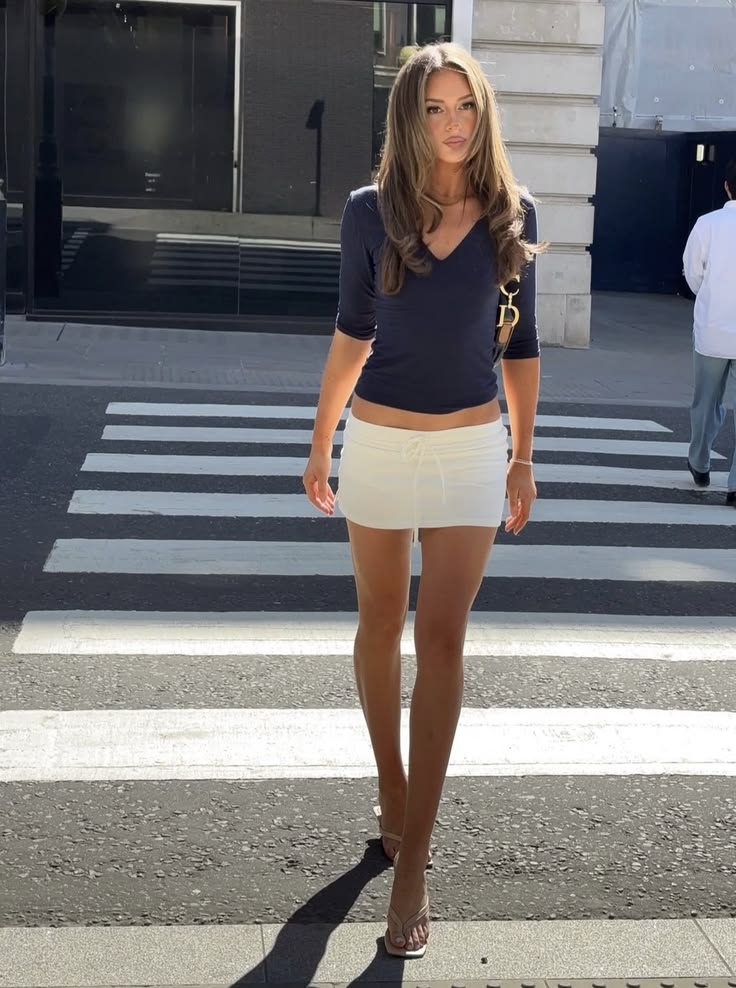
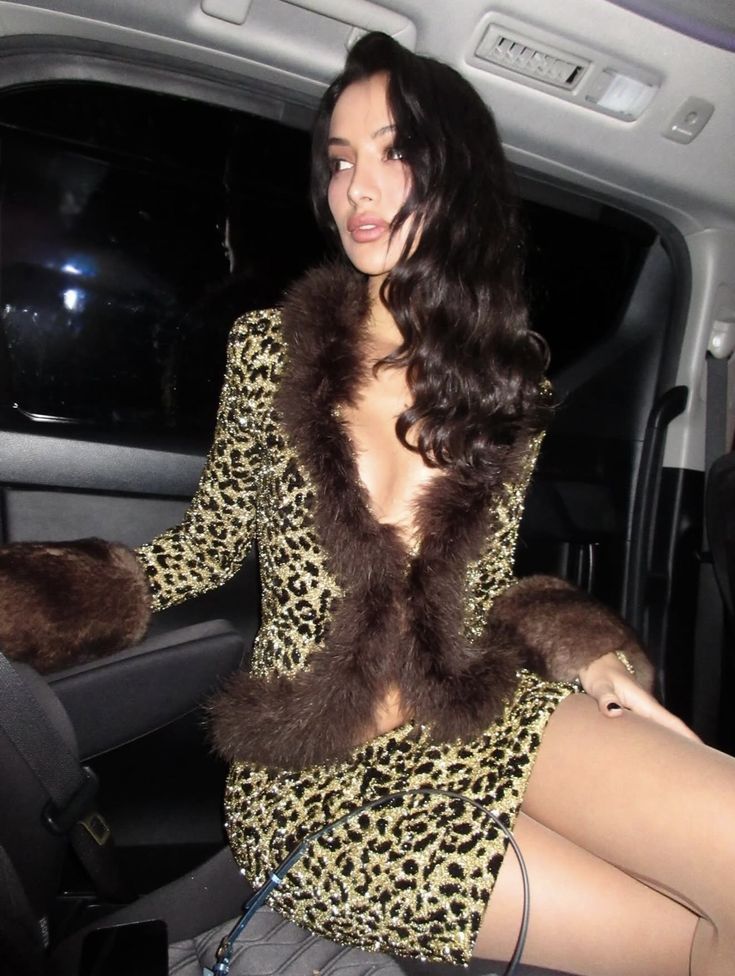
The clothes we wear have a direct impact on how we think and how we behave. This is something that psychologists refer to as the effect of clothing on cognition, although most people are likely to experience this without even knowing the name. You’ve probably experienced it before. Wearing something structured can make you feel more focused or confident. Wearing something soft or oversized can make you feel calmer, safer, or less exposed. These reactions are not random, they come from how clothes affect our memory, emotion, and perception.
Internal Communication First
Clothes don’t just communicate outward. They communicate inward first. The moment you get dressed, your mind begins to adjust to the message your clothes convey. A blazer can put you on a more aggressive mode. A hoodie can convey rest, withdrawal, or comfort. Heels can alter the way you walk and the space you take up. Even if nobody is going to see you that, your clothes will still affect your posture, your energy, and the way you carry yourself.
First Impressions
This is why first impressions are tied to fashion. We are wired to make quick judgments based on visual cues. Clothing becomes a shortcut for making assumptions about our personality, competence, and even our social position. Whether we like it or not, our outfits are often read as indicators of discipline, creativity, seriousness, or confidence. It doesn’t mean that these assumptions are accurate, but they explain why what we wear feels emotionally loaded. It’s never just about aesthetics, it’s about how we’re perceived.
The Language of Color
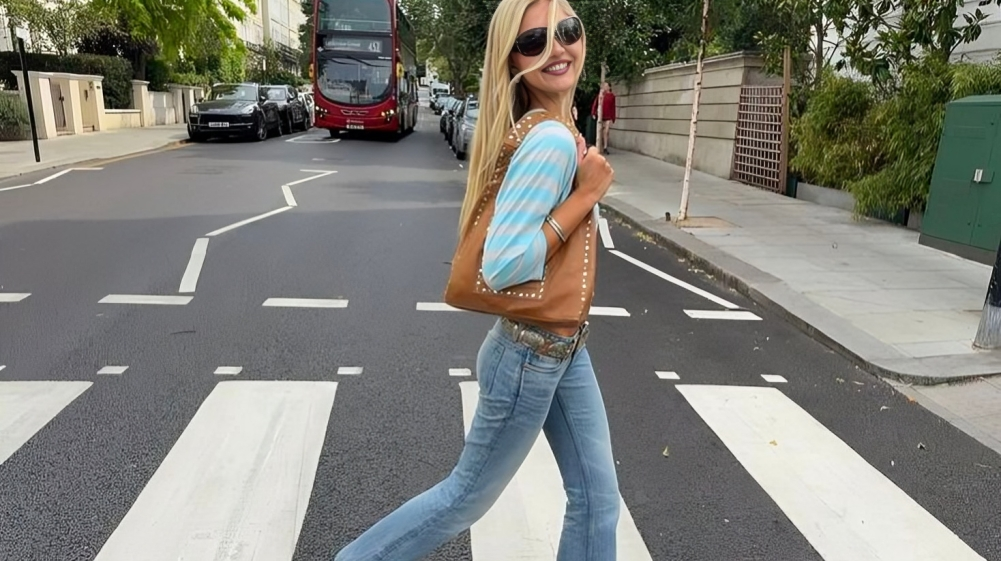
Colors play a major role in this silent language. Dark tones often represent distance, authority, or introspection. Lighter colors can feel more open, approachable, or vulnerable. Neutral palettes can represent control and restraint, while bold colors may suggest confidence or a desire to be seen. These signals are culturally influenced, but they still operate in a psychological form. When you choose certain colors repeatedly, you’re often responding to an internal emotional need, not just a trend.
Fit and Silhouette
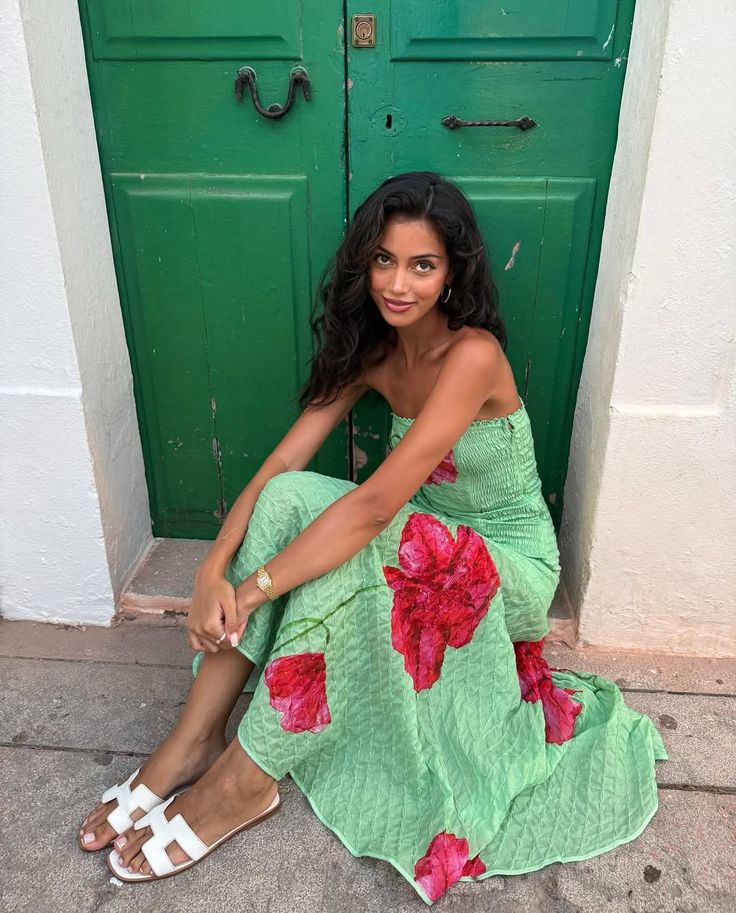
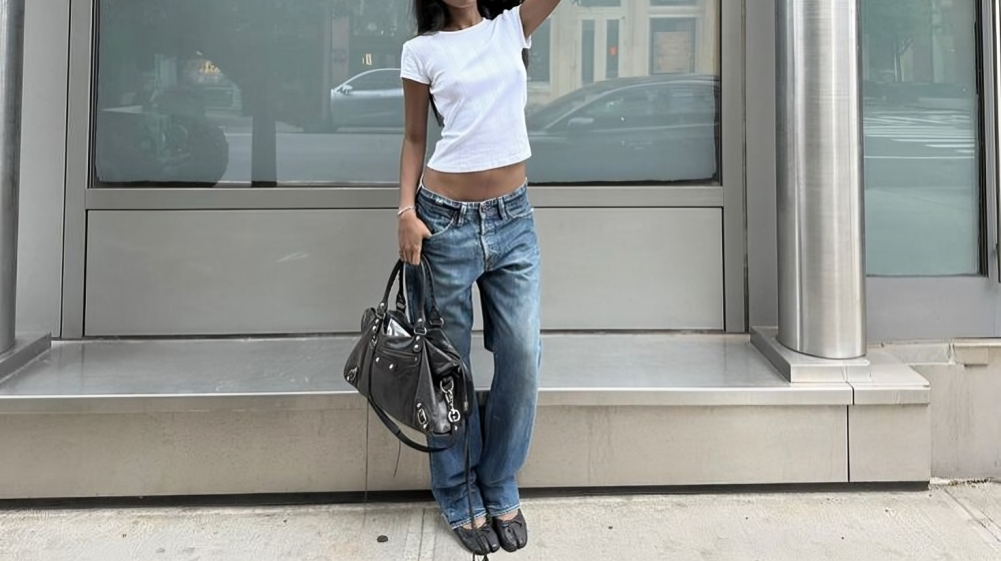
Fit and silhouette matter just as much. Wearing loose clothes can create a sense of protection or anonymity. Wearing tight or structured clothes can emphasize presence and intention. Neither is inherently better. Each choice reflects how much visibility or control someone feels comfortable with at a given moment. Style is often a negotiation between wanting to be seen and wanting to feel safe.
Even "Not Caring" Communicates
The interesting thing is that this communication happens even when you’re not consciously trying to express anything. Someone who says they “don’t care about fashion” is still sending signals through their clothes. Being neutral becomes a message. Choosing simplicity, repetition, or practicality can communicate values like resistance to trends, or emotional distance. Every outfit, even the most basic one, tells a story.
Context Matters
At the same time, fashion is very personal. Two people wearing the same outfit can communicate completely different things, because meaning comes from context. Your background, experiences, body language, and confidence all interact with what you’re wearing. This is why copying someone else’s style rarely feels the same. This is because clothes are not just a piece of fabric, they live on a person with a history.
The Feedback Loop
There is also an emotional feedback loop at play. When people compliment your outfit, it reinforces your style choices. This means that over time, style becomes a learned response. You dress not only based on who you are, but based on what has worked well in the past. This is why making a change in your style can feel uncomfortable. This doesn’t mean you’re trapped by your wardrobe. It means awareness matters. Understanding that clothes influence both perception and behavior gives you more control. Instead of dressing on autopilot, you can dress intentionally. Not to manipulate how others see you, but enhance how you see yourself. Some days you may need grounding, while other days you may need to be seen. Style can respond to that.
Emotional Patterns in Your Wardrobe
Fashion speaking before you do is not a bad thing. It’s just the way it is. The problem isn’t that clothes communicate, but that people are rarely taught how to listen to what they’re communicating to themselves. When you start paying attention, you realize your wardrobe is full of emotional patterns. Pieces you wear when you’re anxious, pieces you save for moments you want to feel powerful, pieces that feel like comfort, and pieces that feel like armor.
Conclusion
At its best, fashion becomes a quiet collaboration between your inner world and the outside one. It helps bridge how you feel with how you want to move through life. Your outfit doesn’t need to explain you perfectly, it just needs to support you. Because before you ever speak, you’re already telling a story. And the most powerful thing you can do is make sure it’s one that feels true.

Comments
Comments are coming soon!
We're working on adding a comment system to engage with our readers.