
Identity Disrupted
A breakup doesn’t just end a relationship, it disrupts an identity. Suddenly, the version of yourself that existed in relation to someone else dissolves, and you’re left facing a quieter, unfamiliar space. In that space, fashion often becomes one of the first ways we begin to rebuild because they help us imagine who we are becoming next.
The Strangeness of Getting Dressed
After a breakup, getting dressed can feel very strange. Some clothes feel too tied to memories. Putting on outfits you wore on dates, pieces they loved on you, styles you adopted without realizing it, can feel like stepping back into a version of yourself that no longer exists. So you either avoid them, or you wear them and feel disconnected, like you’re playing a role that’s already ended.
Comfort as Healing
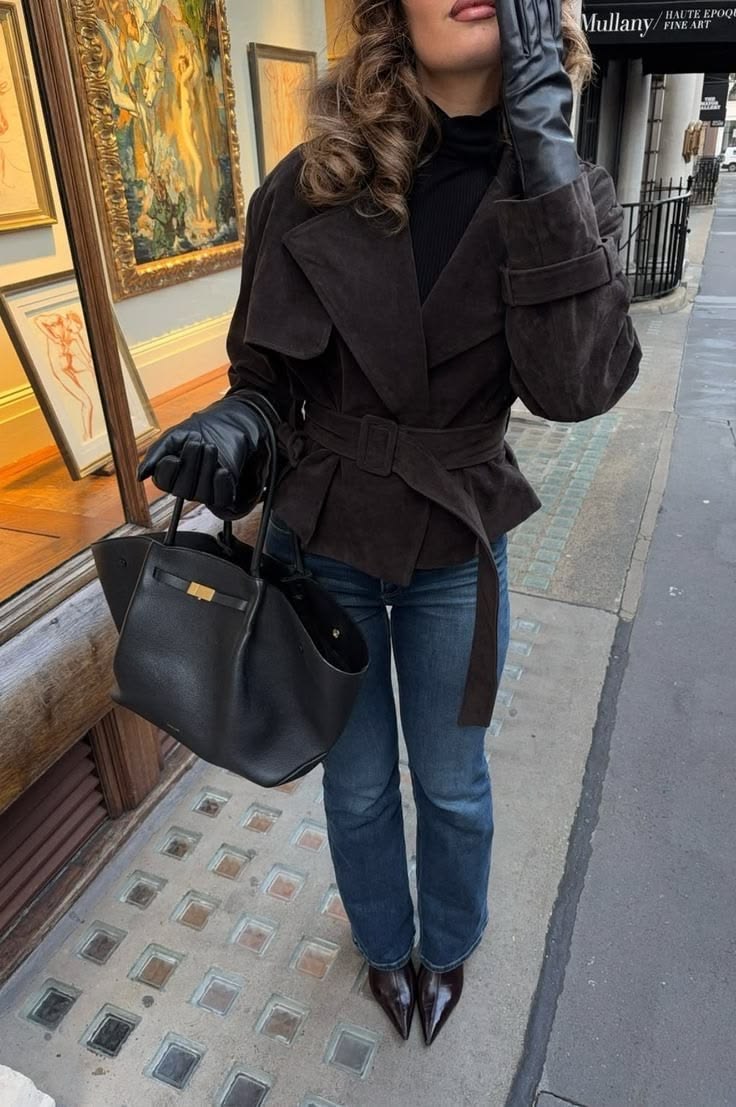
There is also a desire for comfort. Soft textures, loose fits, and comfortable pieces are a must. Clothes are a way to comfort oneself, especially during a vulnerable state of mind. This is not a step backward, but a way to heal and move forward. Your nervous system is recalibrating, and your clothes are a reflection of this. You are not dressing to impress anyone, but to impress how you are feeling and to get through the day. But then, something begins to change. While the sadness is not gone, it is not as loud. And with it not being as loud, comes a sense of curiosity. You begin to see what you like, not because of how anyone else perceives it, but because it is what you like. You begin to see what was a compromise, what was a defense mechanism, and what was a way to protect yourself. This break gives you a chance to ask questions you weren’t asking before.
Reclaiming Ownership
Fashion after a breakup is often about reclaiming ownership. You’re no longer dressing for “us.” You’re dressing for yourself, even if you’re not fully sure who that self is yet. That uncertainty shows up in experimentation. You can try new colors, new silhouettes and a lot of different styles. Dressing becomes a form of exploration.
Regaining Control
There’s also a desire many people feel to “look better” after a breakup. This is often judged harshly, as vanity or revenge dressing. But it’s more complex than that. Wanting to look good is often about regaining control. When something emotional falls apart, improving your appearance can feel like stabilizing one area of life. It’s not about proving anything to your ex. It’s about reminding yourself that you’re still here, still capable of change.This phase can be empowering, but also fragile. It’s easy to mistake external validation for healing. Compliments can feel intoxicating when self-esteem is bruised, that’s why it’s important to notice intention. Are you dressing to feel aligned with yourself, or to distract from pain? Neither is wrong, but awareness matters.
The Style Purge
Some people go through a style purge after a breakup. They donate clothes that no longer feel like them. This act can be deeply symbolic. Letting go of fabric becomes letting go of emotional residue. Each piece removed makes room for something new, that you will be filling in the future.
Holding Onto Strength
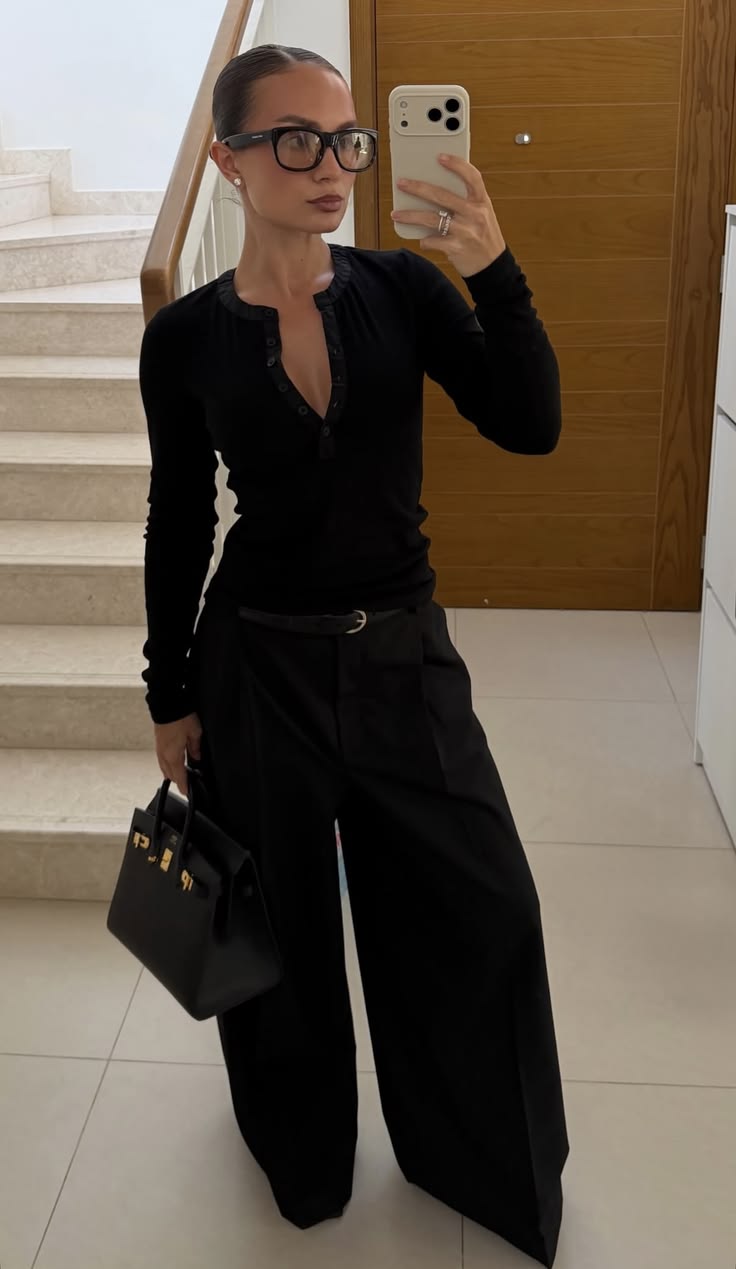
Others hold onto certain items deliberately such as a jacket that reminds them of strength or even hoes they wore when they felt independent. Clothing can anchor identity during transition. You have to know that you don’t have to erase your past to move forward, you can choose what to carry with you.
Rebuilding Body Relationship
Fashion also helps rewrite the narrative of the body after a breakup. Many people feel rejected, undesirable, or disconnected from their physical selves. Dressing intentionally can rebuild that relationship. Not by forcing confidence, but by listening. What feels good today? What feels supportive? What feels honest? There’s a powerful moment when you realize you’re dressing for a future version of yourself, not the past one. You might not fully be her yet, but you’re making space for her. The clothes become aspirational, not in a superficial way, but in an emotional one. They represent who you’re growing into. This doesn’t mean constant reinvention. Some days you still reach for the old hoodie and some days you want to disappear. Healing isn’t linear, and neither is style. What changes is permission. You stop judging yourself for inconsistency and you allow your wardrobe to reflect your emotional reality.
Moving Through Spaces
Fashion after a breakup also changes how you move through public spaces. You might notice yourself standing straighter, or hesitating less before entering a room. Clothes don’t create confidence, but they can support it. They can remind you of your agency when you forget it.
Softness and Power Together
Importantly, this phase isn’t about erasing softness. Becoming “strong” doesn’t mean becoming hard. Many people discover a more nuanced femininity after heartbreak. One that includes vulnerability and power at the same time. Flowing fabrics paired with structured pieces. Same for soft colors with sharp lines. Style mirrors the complexity of healing.Eventually, you reach a point where your ex is no longer part of the equation at all. You’re not dressing to send a message, conscious or unconscious, you’re dressing because it feels like you. That’s when fashion stops being reactive and becomes intentional again.
Conclusion
The woman you are becoming is not the same as the one you lost. She is defined by what you have learned, what you have retained, and what you have let go of. Your clothes do not have to be a statement of that transformation. They simply have to facilitate it.Fashion after a breakup is not about the glow-up for someone else. It is about the quiet realignment with yourself. It is about wearing clothes that do not have any emotional significance that you are not yet ready to carry. It is about picking pieces that are more like permission slips than to-do lists. And one day, without even realizing it, you will put on an outfit and feel like yourself again. Not like your old self. But a new one. One that fits.


Comments
Comments are coming soon!
We're working on adding a comment system to engage with our readers.