It’s Never Just About the Clothes
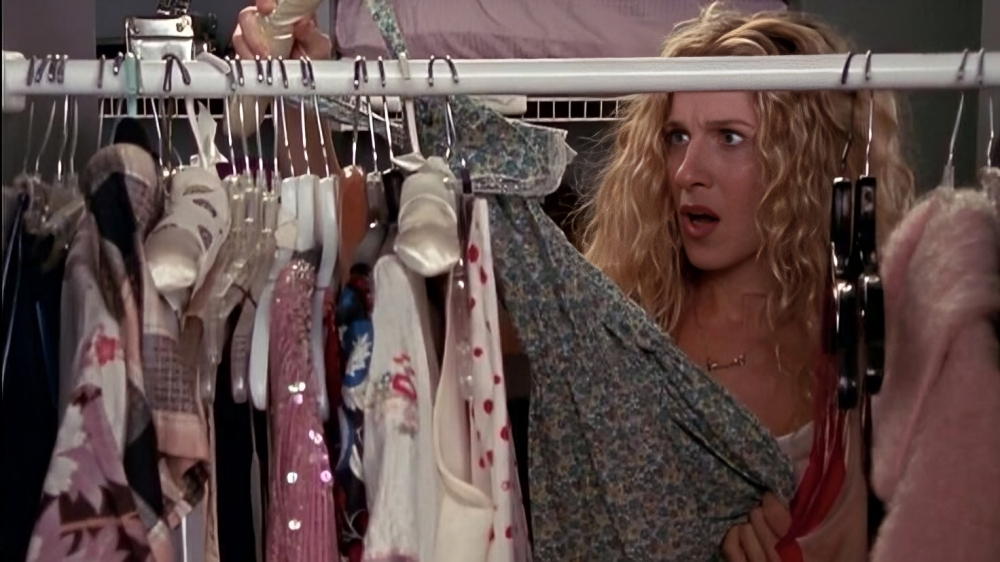
Everyone has that part of their closet. The pieces that stay untouched for months, sometimes years, but somehow never get thrown away. It’s not about space, because even when the closet feels full, those items still remain. And it’s not really about usefulness either, because deep down, there’s already an awareness that they’re probably not going to be worn anytime soon. The truth is, clothes are rarely just clothes. They hold memories, identities, and versions of yourself that feel difficult to let go of. Keeping something you don’t wear isn’t always a practical decision, it’s an emotional one. Each piece can represent a moment, a phase, or even a version of who you thought you were going to become, and that’s why letting go of certain items can feel strangely heavy. It’s not about the fabric or the style, it’s about what it meant at some point in your life.
Clothes as Memories You Can Touch
Some clothes stay in your closet because they’re tied to specific memories. A dress you wore to an important event, a hoodie that reminds you of a certain period, a pair of jeans you bought during a time when everything felt different. Even if you don’t wear them anymore, they hold emotional weight. For example, you might keep a dress from a birthday or a special night out, even if it no longer fits your style. Not because you plan to wear it again, but because getting rid of it feels like erasing the memory attached to it. The same goes for pieces connected to people, like a sweater that reminds you of a relationship or a phase in your life that still feels meaningful. Clothes become physical reminders of moments that are otherwise intangible. And sometimes, keeping the item feels like holding onto the feeling.
The “Future Version” of You
Another common reason people hold onto unworn clothes is the idea of a future self. These are the pieces you don’t wear now, but believe you might wear one day. Maybe when your style changes, when your lifestyle shifts, or when you feel more confident. This can look like keeping a pair of heels you never actually wear because you imagine a future where you go out more often. Or holding onto a very bold outfit because you think one day you’ll be “that kind of person.” Or even keeping clothes that no longer fit, tied to the idea of returning to a previous version of yourself. These pieces aren’t about your current reality. They’re about possibility. They represent a version of you that hasn’t fully materialized yet. And letting them go can feel like giving up on that version of yourself, even if that version was never fully aligned with who you are now.
Guilt and the Difficulty of Letting Go
Sometimes the reason is much simpler, but still emotional: guilt. Clothes can be expensive, and getting rid of something that was barely worn can feel wasteful. There’s a thought that comes up like, “I should have worn this more,” or “I spent money on this, I can’t just get rid of it.” That guilt can keep items sitting in your closet long after they’ve stopped serving you. Instead of asking whether you actually like wearing the piece, the focus shifts to justifying its existence based on past decisions. For example, you might keep a jacket you bought impulsively because it looked good in the store, even if you never feel comfortable wearing it outside. Every time you see it, there’s a slight feeling of regret, but also hesitation to let it go because of what it cost. In this case, the item becomes a reminder of a decision rather than something that adds value to your current life.

Identity and Who You Think You Are
Clothes are deeply connected to identity. The way you dress often reflects how you see yourself, or how you want to be seen. Because of that, certain pieces stay in your closet not because you wear them, but because they represent a part of your identity. For example, someone might keep very minimal, structured pieces because they like the idea of being someone who dresses in a clean, polished way, even if their everyday style is more relaxed. Another person might hold onto edgy or bold items because they identify with that aesthetic, even if they rarely feel comfortable enough to actually wear them. These clothes act as symbols. They represent versions of yourself that you relate to on some level, even if they don’t fully match your daily life. Letting go of them can feel like letting go of a part of your identity, even if that identity was more imagined than lived.
The Fear of “What If”
There’s also a subtle fear behind keeping unworn clothes: the fear of needing them later. The thought is simple, “What if I get rid of this and then suddenly want to wear it?” Even if that situation is unlikely, it creates hesitation. For example, you might keep a very specific outfit for an occasion that almost never happens, just in case. Or hold onto trendy pieces long after the trend has passed, thinking it might come back or that you might feel like wearing it again. This “what if” thinking keeps the closet full of possibilities rather than realities. It prioritizes hypothetical situations over what actually fits your current life and style.
Why It Feels So Hard to Clean Your Closet
When all these factors combine, cleaning your closet stops being a simple task. It becomes emotional. Each item requires a small decision, and each decision is tied to memory, identity, or possibility. That’s why it can feel overwhelming. It’s not just about organizing clothes, it’s about choosing what version of your life you want to keep holding onto. Some pieces represent the past. Some represent a future you’re not sure about. And some represent a version of yourself that doesn’t fully exist anymore. Letting go means choosing the present over all of those.

What Actually Changes When You Let Go
When you finally start letting go of clothes you don’t wear, something shifts. The closet becomes clearer, but more importantly, your style becomes clearer. You start seeing what you actually reach for, what you feel comfortable in, what fits your current life. For example, if you remove all the “maybe one day” pieces, what’s left is what you genuinely wear. That alone makes getting dressed easier, because your options reflect your reality instead of your imagination. It also removes a certain kind of pressure. You’re no longer trying to become someone else through your clothes. You’re dressing as you are, not as you think you should be.
Keeping What Actually Feels Like You
At the end of the day, the goal isn’t to get rid of everything emotional. Some pieces are worth keeping because they truly matter to you. But there’s a difference between keeping something because it brings genuine value and keeping something because of guilt, fear, or attachment to an outdated version of yourself. The clothes you wear the most usually have something in common: they feel natural and they don’t require overthinking. They don’t feel like a performance, they just fit into your life without effort. And once your closet reflects that, getting dressed stops feeling complicated and becomes much more simple, personal, and real.

Comments
Comments are coming soon!
We're working on adding a comment system to engage with our readers.