
If opening your closet gives you a small wave of quiet despair every single morning, I want you to know two things: you are not alone, and it is not a character flaw. A messy wardrobe usually isn't a sign that you're disorganized as a person, it's a sign that your closet has slowly turned into a museum of past selves, and nobody ever taught you how to properly close the exhibit.
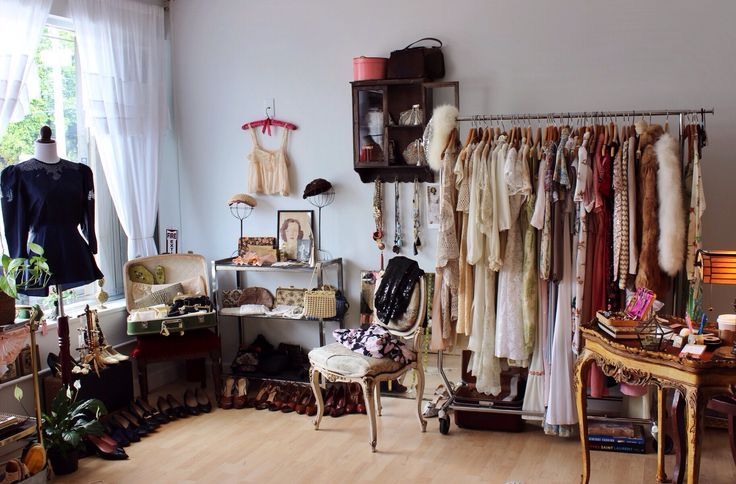
Think about it: the clothes from the trend you liked for exactly one season. The size you used to be, or the size you're hoping to be again, sitting there in a kind of wardrobe purgatory. The impulse buy from a trip that seemed perfect in the store and has never once left the hanger since. None of that is a personal failing, it's actually what happens when a closet accumulates for years without anyone ever going back through it.
Why a Messy Wardrobe Costs You More Than Closet Space
Here's the thing about wardrobe chaos: it doesn't just cost you physical space, it costs you mental energy, every single day, at exactly the moment you have the least of it, first thing in the morning. When you open a closet and can't actually see what you own, getting dressed stops being a simple decision and turns into a small daily negotiation with your own indecision. That adds up. Multiply a few extra minutes of low-grade stress by every morning for a year, and it's not hard to see why "just organize your closet" keeps showing up on every productivity list ever written.
The Unglamorous Truth About Organizing
There's no clever trick that lets you organize a wardrobe without actually touching it. I wish there were. But the process, while tedious, is genuinely simple:
1. Take everything out — yes, everything
You cannot organize what you cannot see. Pull every single item out of your closet and drawers and put it somewhere you can actually look at it all at once. This part is annoying. It is also non-negotiable, because half the point is finally seeing the full scope of what you actually own, instead of the partial view you get from a crammed rod.
2. Sort into three honest piles
- Keep — things you wear, that fit, that you reach for without hesitation.
- Donate — things you haven't worn in a year, that don't fit, or that you keep out of guilt rather than love.
- "I need to try this on before deciding" — the honest middle ground. This pile exists because pretending everything is a clean yes or no is how closets get cluttered in the first place.
That third pile matters more than it sounds like it should. It's where the actual honesty happens, trying something on and admitting, out loud if you have to, "I don't think I've worn this because it doesn't actually fit right anymore," rather than leaving it hanging indefinitely out of vague sentimentality.
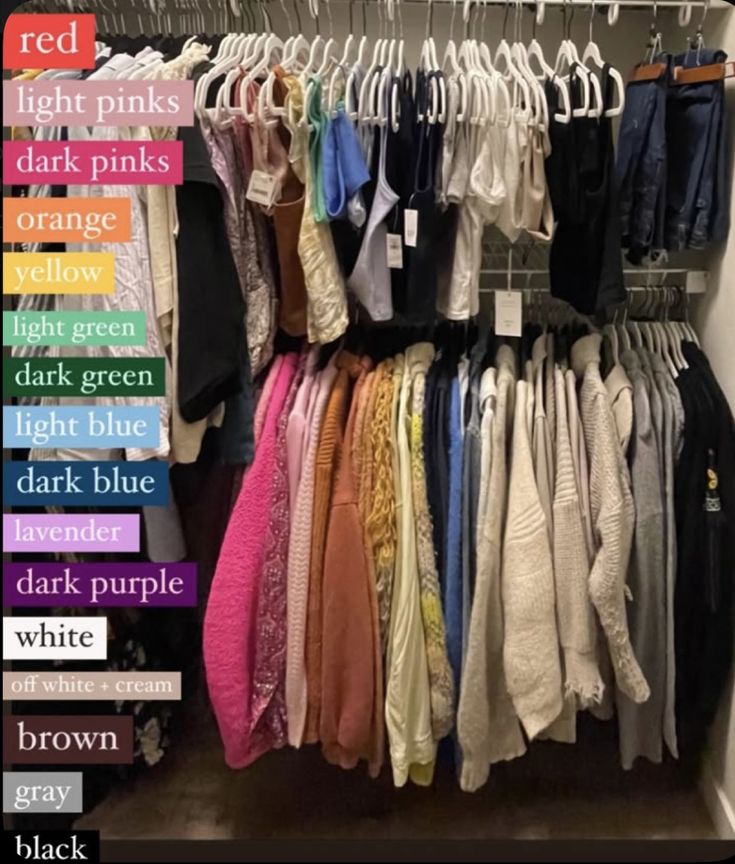
3. Fold or hang by category, not by acquisition order
Most disorganized closets aren't sorted by anything at all, they're sorted by "the order I bought things in," which is how you end up with dressy tops shoved between winter coats and gym clothes buried behind formal wear. Grouping by category (tops, bottoms, dresses, outerwear) means you can actually scan your options instead of archaeologically digging through unrelated layers.
4. Keep what you love visible and easy to reach
The clothes you actually wear and love shouldn't be buried behind the clothes you're afraid to get rid of. If your favorite, most-reached-for pieces are stuffed in the back while the "maybe someday" items hog prime real estate, it's worth flipping that arrangement entirely.
What to Do With the "Maybe" Pile
The hardest part of any wardrobe cleanout usually isn't the obvious donates, it's the stuff sitting in emotional limbo. The dress you wore to something meaningful. The jeans you're keeping "for when I lose a few pounds." The item that was expensive enough that giving it away feels like admitting a mistake.
A few honest questions help here:
- Would I buy this again today, knowing what I know now?
- Have I worn this in the last year, genuinely, not "I could have"?
- Am I keeping this for the person I am, or the person I think I should be?
None of these questions have to lead to donating everything. Sometimes the honest answer is "I'm keeping this, and that's fine." The goal isn't ruthless minimalism, it's honesty about what's actually earning its spot in your space.
Maintaining It (Because Organizing Once Isn't Enough)
The unfortunate truth about wardrobe organizing is that it's not a one-time event, it's a habit. A closet you organize once and never revisit will slowly drift back into chaos as new items come in and old ones don't leave. A few small habits keep it from fully unraveling:
- One in, one out, when something new comes in, something old goes out. This alone prevents most closet creep.
- A seasonal check-in, even just twenty minutes, twice a year, to catch anything that's quietly become a "maybe" item again.
- Put things away properly in the moment, rather than letting a "just for now" pile on the chair become a permanent fixture (we've all had that chair).
Why This Is Worth Doing At All
An organized wardrobe isn't really about the closet itself. It's about removing one small, repeated source of friction from your day. Getting dressed shouldn't feel like a decision that requires research. When you can actually see what you own, when everything in there fits and feels like you, mornings get quieter in a way that's easy to underestimate until you've actually experienced it.
You don't need a smaller wardrobe, necessarily, though that often happens naturally along the way. You need a wardrobe you can actually see, trust, and reach for without a small internal debate every single morning. That's the whole point, not minimalism for its own sake, just a closet that finally works with you instead of against you.




Comments
Comments are coming soon!
We're working on adding a comment system to engage with our readers.