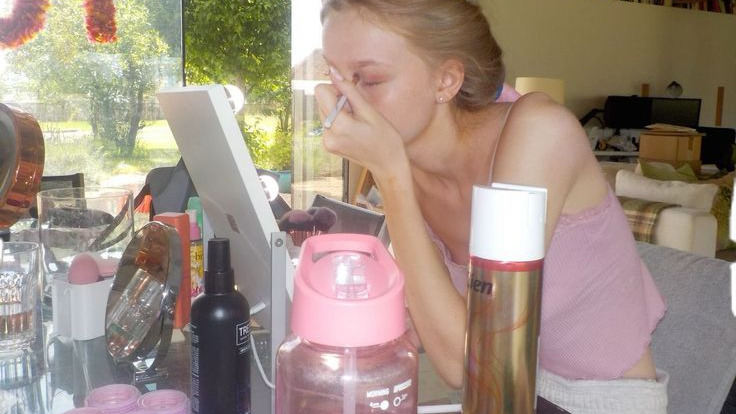
Somewhere along the way, skincare turned into a full-blown scientific ritual involving serums with names longer than my actual goals in life, essences I couldn't pronounce, and a bathroom shelf that started to resemble a lab that recently got audited. If you've ever stood in front of that shelf at 11 PM, tired, holding four different bottles and genuinely unsure what order they go in, this one's for you.
I want to say up front: if a twelve-step routine brings you joy, genuinely, keep doing it. Some people love the ritual of it, the little self-care ceremony each night. This isn't a post about shaming anyone out of that. This is for the rest of us, the ones who bought the serum because an ad told us to, never quite figured out how to use it, and now feel vaguely guilty every time we open the cabinet.
Why Minimalism Isn't About Doing Less Out of Laziness
Here's the misconception I had to unlearn: minimalist doesn't mean lazy, and it doesn't mean you don't care about your skin. It means being deliberate. It means every product on your shelf actually has a job, and you know what that job is, instead of accumulating things because they looked pretty in a haul video or promised to fix a problem you didn't know you had until the ad told you about it.
A minimalist routine is, in a weird way, more intentional than a complicated one, not less. You're not doing less because you don't care, you're doing less because you've actually thought about what matters.

The Three Things That Actually Matter
If you strip skincare down to its absolute core, it comes down to three things:
1. Cleanse
Something gentle. Not something that leaves your face feeling tight, squeaky, or like it just survived an argument, that "clean" feeling is often just your skin's barrier being stripped, which tends to backfire into more oil, more irritation, or more sensitivity down the line. A cleanser's job is simple: remove dirt and buildup without waging war on your skin barrier in the process.
2. Moisturize
Skin that's well-hydrated genuinely needs less "fixing" later. A lot of the issues people chase with elaborate routines like flakiness, dullness, that tight uncomfortable feeling, often trace back to skipping this basic step or using a moisturizer that doesn't actually suit their skin type. You don't need five different moisturizers for morning, night, eyes, and neck. One good one, used consistently, does most of the heavy lifting.
3. Protect
SPF. Every single day. Rain, shine, "I'm just running to the car," "it's basically winter," all of it. This is the one step dermatologists will not stop talking about, and for good reason, it's the single highest-leverage thing you can do for how your skin looks and behaves over time. If you only add one "extra" step to a bare-minimum routine, make it this one.
That's genuinely the whole baseline. Cleanse, moisturize, protect. Everything else is optional.

What About Everything Else?
Serums, exfoliants, treatments, essences, toners, none of these are bad. They're just additions, not requirements. The trap most of us fall into is treating every optional extra as mandatory, which is exactly how a routine balloons from three steps to eleven, and exactly how a bathroom shelf turns into a graveyard of half-used bottles.
If you want to add something beyond the basics, add it for a specific reason, not because it's trending. A gentle exfoliant a couple times a week if your skin tends toward texture or dullness. A targeted treatment if you're dealing with something specific, like breakouts or hyperpigmentation. But add these deliberately, one at a time, so you can actually tell what's working, instead of layering seven new things at once and having no idea which one is helping or which one is causing that new breakout.
The Emotional Side of Simplifying
There's a part of this that isn't really about skin at all. A lot of us hold onto elaborate routines because they've become tangled up with the idea of self-worth, like using fewer products means caring less about ourselves, or like a "real adult" has a twelve-step regimen. I felt this for longer than I'd like to admit. Paring my routine down felt, weirdly, like giving something up.
What I found instead was relief. Fewer decisions to make at 11 PM when I'm exhausted. Fewer products to remember, restock, and feel guilty about wasting. Fewer moments of standing in front of a shelf wondering if I'm "doing skincare wrong." A simple routine you actually do every day beats an elaborate one you do inconsistently, guilt included at no extra charge, every single time.
How to Actually Simplify (Without Wasting What You've Got)
If your current shelf looks like a small pharmacy, here's how to pare it down without just throwing everything away:
- Sort by function, not brand. Group everything into cleansers, moisturizers, SPF, and "extras." You'll probably find you own three of one thing and zero of another.
- Pick one from each core category; one cleanser, one moisturizer, one SPF, and commit to using just those for a few weeks. Let your skin tell you if it's working before adding anything else back in.
- Use up the extras slowly, without guilt, rather than tossing them immediately. There's no need to waste money you've already spent, just stop buying more until your shelf actually needs it.
- Resist the urge to "fix" things constantly. A lot of extra steps get added in moments of frustration, one bad skin day and suddenly you're buying three new products. Give changes time to actually work before reacting.
A Routine That Fits Your Actual Life
The best beauty routine isn't the one with the most steps, the most impressive-sounding ingredients, or the one an influencer swears changed their life. It's the one you'll actually do, morning after morning, without dread or decision fatigue. Minimalist skincare isn't a trend to chase, it's just what's left when you strip away everything that wasn't really doing much in the first place.
Cleanse. Moisturize. Protect. Add on your own terms, for your own reasons. That's the whole secret, and honestly, your future shelf space will thank you too.


Comments
Comments are coming soon!
We're working on adding a comment system to engage with our readers.