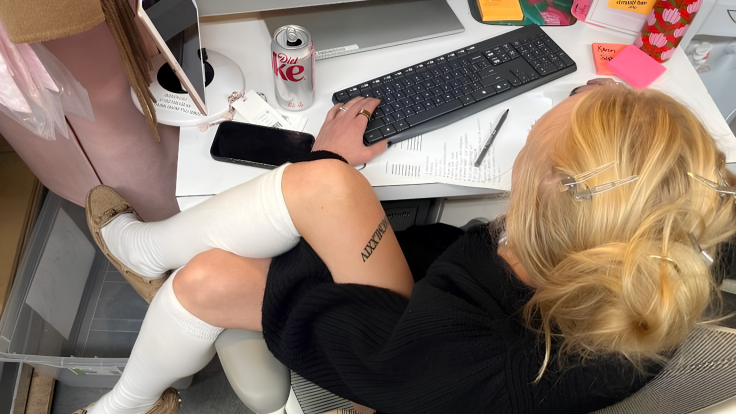
We tend to think creativity and productivity are opposites, that you either finish your homework or you feed your imagination, but rarely both. As a creative student, I spent years believing I had to choose between the two. This is everything I've learned about making room for both, without burning out or losing the parts of myself I love most.
When Your Biggest Strength Becomes Your Biggest Distraction
There's something no one really tells you about being a creative student: your biggest strength can also become your biggest distraction. People often assume that creativity is this magical gift that makes everything easier. They imagine that if you're passionate about art, fashion, writing, photography, or design, ideas simply appear out of nowhere and your work somehow creates itself. I used to believe that too. Then school happened. Suddenly, my imagination had to compete with deadlines, exams, homework, and the constant feeling that there were never enough hours in the day.
Some afternoons, I would sit down with every intention of studying for my history exam, only to find myself researching fashion archives from the 1990s or sketching outfit ideas in the corner of my notebook. It wasn't that I didn't care about school, I did. It was just that my brain always seemed to find something more exciting to think about. For a long time, I thought that meant I was lazy or incapable of concentrating. Looking back, I realize I was asking my creative mind to behave like a machine, and it simply doesn't work that way.
If you're a creative person, chances are you've experienced the same thing. You start one task and somehow end up with five new ideas that have absolutely nothing to do with what you were supposed to be doing. It's frustrating because you know you have responsibilities, but inspiration has terrible timing. It doesn't politely wait until your homework is finished or your presentation has been submitted. It arrives whenever it wants, whether that's during chemistry class, on the bus home, or five minutes before you fall asleep.
The Myth of the Perfectly Planned Life
For the longest time, I kept trying to become one of those students who had their entire life planned down to the minute. Every September felt like a fresh opportunity to reinvent myself. I would buy a brand-new planner, decorate it with color-coded pens, watch endless YouTube videos about the "perfect study routine," and convince myself that this year would be different. This year I would wake up early, finish every assignment days before the deadline, exercise regularly, read every evening, and somehow still have time for all my creative projects.
The plan usually lasted about a week. It wasn't because I lacked motivation. If anything, I had too much of it. My problem was that I wanted to do everything at once. I wanted to get excellent grades, build creative projects, learn new skills, keep up with fashion trends, read more books, spend time with my friends, and somehow avoid feeling overwhelmed in the process. Eventually I learned that productivity is deciding what deserves your attention today and trusting that the rest can wait until tomorrow.

Social Media and the Comparison Trap
That lesson was surprisingly difficult to accept because social media has completely changed the way we think about productivity. Every time I opened Instagram or TikTok, someone seemed to have their life perfectly organized. Their desks looked like they belonged in a magazine, their notes were beautifully handwritten, and they somehow managed to balance university, a side business, daily workouts, and a social life without ever looking tired. It's easy to forget that we're only seeing carefully selected moments. No one posts the hour they spent staring at a blank page because they couldn't focus or the afternoon they wasted scrolling through videos instead of studying.
I think comparison is one of the biggest reasons creative students struggle to stay productive. We spend so much time looking at what everyone else is creating that we begin to question whether we're doing enough ourselves. There have been days when I opened Pinterest looking for a little inspiration and ended up spending an hour saving photos of beautiful workspaces, aesthetic outfits, and perfectly designed journals. By the time I closed the app, I felt inspired, but I hadn't actually created anything.
That realization changed the way I use social media. I still love discovering beautiful ideas and finding inspiration online, but I've become much more intentional about it. Instead of endlessly consuming content, I ask myself whether I'm using it as a tool or as an excuse to avoid starting my own work. There's a huge difference between spending twenty minutes researching ideas for a project and spending two hours convincing yourself that you're being productive because you're watching other people create.
Write Everything Down
One habit that has genuinely transformed the way I work is writing everything down. Creative ideas are unpredictable. They never arrive when it's convenient, and they certainly don't care whether you're in the middle of solving a math problem. I used to panic every time an idea appeared because I was afraid I'd forget it before I had the chance to work on it. Now I simply keep a notebook nearby or use the notes app on my phone. Whenever inspiration strikes, I write down a few words and then return to whatever I was doing.
Creativity Doesn't Need Grand Gestures
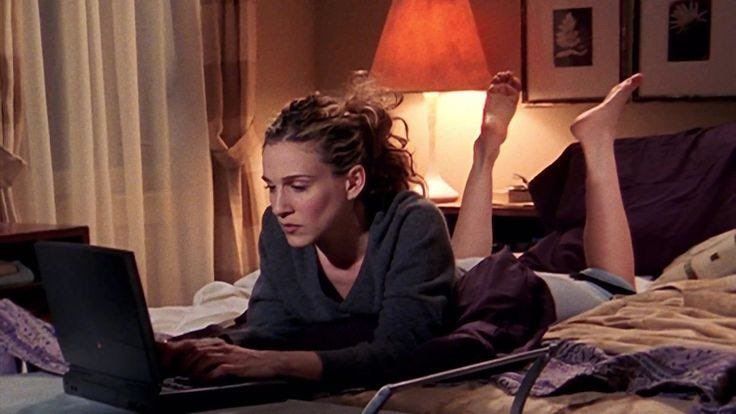
Another mistake I made for years was believing that creativity had to happen in huge bursts of inspiration. I imagined that if I wanted to write, I needed an entire afternoon free. If I wanted to design something, I needed hours without interruptions. The reality is much less dramatic. Some of the projects I'm most proud of were built little by little, twenty or thirty minutes at a time. A paragraph written today becomes a chapter a few weeks later. A quick sketch turns into a finished design. Progress is rarely exciting when it's happening, but looking back, those small moments add up in ways you never expect.
Busy Isn't the Same as Productive
I've also stopped believing that being busy automatically means being productive. There was a period when my to-do list became ridiculously long because crossing things off made me feel accomplished. I filled my schedule with tasks, convinced that a full calendar meant I was working hard. In reality, I was exhausting myself with things that didn't really matter while avoiding the work that actually required my attention.
Now, I try to ask myself a different question every morning. Instead of thinking, How much can I get done today? I ask, What would make today feel meaningful? Sometimes the answer is finishing an assignment that's been stressing me out all week. Other times it's spending an hour writing, reading, or simply allowing myself to rest without feeling guilty.
That question has completely changed the way I define productivity. Instead of measuring success by how busy I look, I measure it by whether I moved a little closer to the person I want to become.
Choosing Between Being a Good Student and Being Creative
There was a time when I believed I had to choose between being a good student and being a creative person. It felt impossible to give both parts of myself the attention they deserved. Whenever I focused on school, I felt guilty for neglecting the ideas I couldn't stop thinking about. And whenever I spent an afternoon writing or working on a personal project, there was always a tiny voice in the back of my mind reminding me of the homework I still hadn't finished. It became a constant tug-of-war, as if my ambitions were competing against each other instead of existing side by side.
It took me a while to realize that creativity isn't something separate from the rest of my life. It isn't a hobby that only exists when all my responsibilities are out of the way. It's part of the way I think. It changes the way I approach school projects, the way I solve problems, and even the way I organize my ideas. Once I stopped treating creativity as a distraction, I actually became more productive because I wasn't wasting so much energy fighting against myself.
Staying Connected to Your Passions During Chaotic Weeks
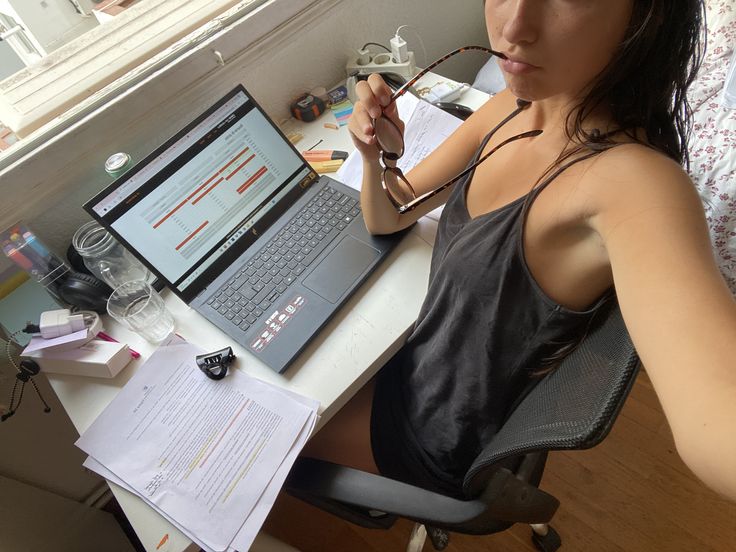
Of course, that doesn't mean every day feels perfectly balanced. Some weeks are simply chaotic. Deadlines seem to arrive all at once, teachers suddenly remember every assignment they forgot to give, and somehow every subject decides to schedule a test on the same day. During those moments, it's easy to convince yourself that your personal projects can wait. One week turns into two, then into a month, and before you know it, you've completely lost touch with the things that once made you excited to create.
I've learned that creativity doesn't need hours every day to stay alive. Sometimes it only needs a little attention. Reading a few pages of a book before bed, saving an idea in a notebook, taking a photograph during your walk home, or writing a few paragraphs after dinner might not seem like much, but those small moments remind you that your passions are still there. They don't disappear just because life becomes busy.
Celebrate the Small Victories
One habit that has made a surprising difference is celebrating small victories instead of waiting for huge achievements. For years, I only felt proud of myself after finishing something big: a difficult exam, a major project, or a long piece of writing. Everything else felt insignificant. But if you spend your entire life waiting for big accomplishments, you'll miss all the quiet progress happening in between.
Now I try to notice the little things. Finishing a chapter I didn't feel like studying. Finally starting an assignment I had been avoiding. Writing one page instead of none. Saying no to distractions for an afternoon. These moments may seem ordinary, but they build confidence in a way that dramatic success never can. Productivity isn't built in a single day; it's built through hundreds of small decisions that nobody else even notices.
Letting Go of Perfectionism
Another lesson I've had to learn is that perfection is incredibly convincing. It whispers that if you can't do something perfectly, you shouldn't do it at all. I can't even count the number of projects I've delayed because I wanted the beginning to be perfect. I'd spend more time planning than actually working, convinced that I was "getting ready." In reality, I was just afraid of making mistakes.
Final Thoughts
Because at the end of it all, success isn't measured by how busy you looked, but by whether you kept learning, kept growing, and, most importantly, kept creating.


Comments
Comments are coming soon!
We're working on adding a comment system to engage with our readers.