
Introduction
For years, self-care has been packaged as something you can buy, schedule, or photograph. Think scented candles, skincare routines, bubble baths, wellness retreats, and beautifully organized journals. While these practices can be genuinely restorative, they often overlook a deeper truth: no amount of external self-care can protect your peace if your emotional world is constantly in turmoil.
Real self-care isn't just about relaxing after you've become overwhelmed. It's about reducing the emotional habits that lead to overwhelm in the first place.
That's where detachment comes in.
Detachment isn't about becoming cold, distant, or emotionally unavailable. It's about learning to care without carrying everything. It's the ability to love deeply without losing yourself, to support others without sacrificing your well-being, and to accept what you cannot control instead of exhausting yourself trying to change it.
In an age where we're constantly connected, expected to respond instantly, and encouraged to invest emotionally in everything from relationships to social media debates, detachment has become one of the most overlooked forms of emotional wellness.
This isn't about caring less.
It's about caring wisely.
In this article, we'll explore what healthy detachment really means, why it's becoming one of the most valuable forms of self-care, and how cultivating it can improve your relationships, mental clarity, confidence, and overall quality of life.
Key Takeaways
- Healthy detachment means protecting your peace without withdrawing from life.
- It allows you to care deeply without becoming emotionally consumed.
- Detachment improves decision-making by reducing emotional reactivity.
- Strong boundaries are a form of self-respect, not selfishness.
- Letting go of unrealistic expectations often leads to healthier relationships.
- Emotional resilience comes from accepting what you cannot control.
Rethinking What Self-Care Really Means
Self-care has evolved significantly over the past decade. While practices like meditation, exercise, rest, and mindfulness certainly have value, they address only part of the picture.
Imagine spending an hour relaxing in a spa, only to return home and spend the rest of the evening overthinking an unanswered text message or replaying a difficult conversation in your head. The relaxation disappears almost instantly because the real source of stress was never physical, it was emotional.
True self-care isn't simply recovering from emotional exhaustion.
It's learning how not to create unnecessary emotional exhaustion in the first place.
Detachment helps accomplish exactly that.
Instead of trying to soothe every emotional storm after it happens, detachment teaches you how to remain steady when storms inevitably arrive.
What Healthy Detachment Actually Means
The word "detachment" often carries negative connotations.
Many people imagine someone who is emotionally unavailable, indifferent, or unwilling to form meaningful relationships.
Healthy detachment is something entirely different.
It means maintaining your emotional center while remaining open-hearted.
You still love.
You still care.
You still invest in people.
But your emotional stability no longer depends entirely on how others behave.
The psychology behind this is simple. When our sense of peace depends on external circumstances, whether someone replies quickly, approves of us, or meets every expectation, we hand over control of our emotional well-being.
Detachment gently brings that control back.
Instead of saying, "I don't care," healthy detachment says:
"I care, but I won't lose myself in the process."
That distinction changes everything.

Why We Become Emotionally Attached
Before learning detachment, it's helpful to understand why attachment develops so easily.
Humans naturally seek connection, security, and belonging. These needs are neither unhealthy nor something to eliminate.
Problems arise when attachment becomes dependence.
We may become attached to:
- specific outcomes,
- people's approval,
- certain relationships,
- career success,
- routines,
- future expectations,
- or imagined versions of how life "should" unfold.
When these attachments become rigid, disappointment feels like a threat to our identity rather than simply part of life.
For example, someone waiting anxiously for a promotion may begin believing their entire worth depends on receiving it. If the opportunity doesn't materialize, the emotional impact extends far beyond career disappointment.
Detachment doesn't remove ambition.
It separates your worth from the outcome.
The Quiet Power of Choosing Not to React
One of the first signs of emotional maturity is recognizing that not everything deserves your immediate response.
Not every disagreement requires defending yourself.
Not every criticism deserves an explanation.
Not every message needs an instant reply.
Modern life encourages constant reaction. Notifications, emails, group chats, and social media create an environment where responding immediately often feels like an obligation.
But reacting and responding are not the same thing.
Reaction is automatic.
Response is intentional.
The small pause between the two can dramatically change your relationships, decisions, and peace of mind.
Psychologically, creating space before reacting allows your emotions to settle before they dictate your behavior. Instead of speaking from frustration, insecurity, or fear, you respond from clarity.
That pause is one of the simplest forms of self-care available.
Detachment Helps You Stop Carrying Other People's Emotions
Empathy is a beautiful quality.
However, empathy without boundaries often becomes emotional overload.
Many highly empathetic people unconsciously absorb the moods, frustrations, and anxieties of those around them. They begin feeling responsible for fixing situations they didn't create or solving problems that don't belong to them.
Healthy detachment changes this dynamic.
It teaches you the difference between understanding someone's feelings and becoming responsible for them.
For example, you can support a friend going through a difficult period without sacrificing your own mental health.
You can listen without becoming emotionally depleted.
You can care without carrying.
The psychology here is important. When we constantly absorb other people's emotions, our nervous system struggles to distinguish between our own stress and someone else's. Over time, this contributes to exhaustion and emotional burnout.
Detachment creates healthy emotional boundaries that allow compassion without self-sacrifice.
Let Go of the Person You Imagined
One of the most painful forms of attachment isn't to who someone is.
It's to who we hoped they would become.
We often build expectations around future versions of people:
"They'll eventually communicate better."
"They'll change once they understand me."
"They'll appreciate everything I do."
Sometimes that happens.
Sometimes it doesn't.
Detachment encourages us to see reality instead of clinging to possibility.
This doesn't mean becoming cynical.
It means making decisions based on consistent actions rather than imagined potential.
Accepting people as they are, even when that acceptance is painful, often prevents years of emotional frustration.
Reality may disappoint us.
Fantasy keeps us stuck.
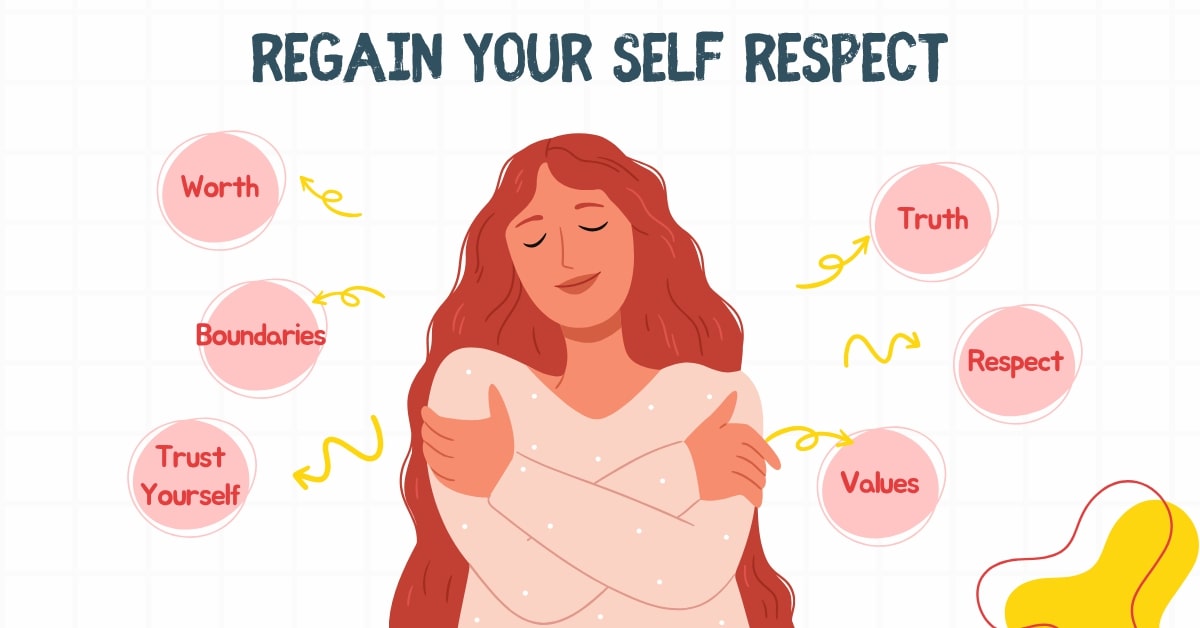
Boundaries Are One of the Highest Forms of Self-Respect
Many people fear boundaries because they associate them with conflict.
In reality, boundaries often create healthier relationships.
A boundary isn't about controlling someone else's behavior.
It's about deciding what you will and won't accept.
Healthy detachment strengthens boundaries because your choices become guided by self-respect rather than guilt.
For example:
- You decline invitations when you genuinely need rest.
- You stop explaining yourself repeatedly to people committed to misunderstanding you.
- You recognize when a conversation has become unproductive.
- You leave situations that consistently damage your well-being.
These actions aren't selfish.
They're sustainable.
The psychology behind boundaries is rooted in emotional conservation. Every unnecessary argument, explanation, or attempt to convince someone drains energy that could be invested elsewhere.
Protecting that energy is an essential part of caring for yourself.
Letting Go of Control Can Be Surprisingly Liberating
Many attachments are actually attempts to control uncertainty.
We try to control:
- how people perceive us,
- when opportunities arrive,
- whether relationships succeed,
- how quickly healing happens,
- what the future looks like.
The problem is obvious.
Most of these things aren't fully within our control.
Trying to manage every outcome often produces anxiety rather than certainty.
Healthy detachment invites a different mindset.
Focus on what belongs to you:
- your effort,
- your honesty,
- your integrity,
- your choices,
- your attitude.
Release what belongs to life.
This shift doesn't eliminate disappointment.
It simply prevents disappointment from becoming devastation.
Better Decisions Begin With Emotional Distance
Have you ever ignored obvious warning signs simply because you wanted something to work?
Most people have.
Strong emotional attachment can cloud judgment.
We overlook red flags.
We justify poor treatment.
We delay difficult decisions.
We confuse hope with evidence.
Detachment creates enough emotional distance to evaluate situations more objectively.
It allows you to ask questions like:
"Is this relationship actually healthy?"
"Am I staying because it's right, or because I'm afraid to leave?"
"What facts am I ignoring because they don't match what I want?"
This kind of clarity isn't harsh.
It's compassionate honesty.
And it's often the foundation of wiser decisions.
What Healthy Detachment Looks Like in Everyday Life
Detachment doesn't require dramatic life changes.
Instead, it often appears in small, intentional choices.
You might:
- stop checking your phone every few minutes for one person's reply,
- accept that not every misunderstanding needs resolution,
- avoid overexplaining your decisions,
- decline responsibilities that aren't yours,
- celebrate your achievements without tying your identity to them,
- allow people to disagree with you without feeling threatened.
These moments may seem ordinary.
Collectively, they transform your emotional landscape.
Each decision reinforces one simple truth:
Your peace deserves protection.
Why Many People Discover Detachment After Burnout
For many people, detachment isn't learned through books.
It's learned through exhaustion.
After repeatedly giving more than they receive...
After trying to rescue everyone...
After constantly prioritizing others...
Eventually something changes.
They realize emotional overextension isn't kindness.
It's unsustainable.
Detachment often begins as self-preservation.
Over time, it becomes wisdom.
Rather than closing your heart, it teaches you to use it more intentionally.
The Unexpected Effect Detachment Has on Relationships
One of the biggest misconceptions is that detachment weakens relationships.
Healthy detachment often strengthens them.
Why?
Because it removes unhealthy pressure.
When you stop trying to control every interaction, relationships become more authentic.
People have room to show you who they really are.
You stop chasing reassurance.
You stop forcing conversations.
You stop interpreting every silence as rejection.
Instead, relationships become built on mutual choice rather than emotional dependency.
Ironically, this often creates deeper trust because both people are free to be themselves.

Expert Tips for Practicing Healthy Detachment
Developing detachment is a gradual process. Like any emotional skill, it improves with practice.
Here are a few practical ways to begin:
- Pause before reacting to emotionally charged situations.
- Ask yourself what is actually within your control.
- Notice when you're trying to manage someone else's emotions.
- Accept people's consistent actions rather than their promises alone.
- Spend time nurturing your own interests outside of relationships.
- Practice saying "no" without excessive guilt or explanation.
- Remember that someone disagreeing with you doesn't diminish your worth.
- Focus on your values instead of seeking constant external validation.
Healthy detachment isn't built through dramatic moments.
It's built through hundreds of small choices that prioritize emotional balance.
Common Mistakes About Detachment
Many people misunderstand healthy detachment because they confuse it with emotional withdrawal.
Some common misconceptions include:
Believing detachment means not caring
Healthy detachment allows you to care deeply while maintaining emotional balance.
Thinking boundaries are selfish
Boundaries protect relationships by preventing resentment and burnout.
Expecting immediate emotional freedom
Detachment develops gradually through practice, self-awareness, and experience.
Suppressing emotions instead of processing them
Detachment doesn't eliminate feelings, it prevents feelings from controlling every decision.
Avoiding vulnerability altogether
Healthy detachment still allows closeness, trust, and meaningful connection.
Frequently Asked Questions
Is detachment the same as being emotionally unavailable?
No. Emotional unavailability avoids connection altogether. Healthy detachment encourages connection while maintaining healthy emotional boundaries.
Can you love someone and still be detached?
Absolutely. Healthy detachment allows you to love deeply without making another person's choices responsible for your happiness or self-worth.
Does detachment improve mental well-being?
Many people find that healthy detachment reduces unnecessary stress by helping them focus on what they can control instead of constantly worrying about what they cannot.
How do I know if I'm too emotionally attached?
If your mood, confidence, or peace depends almost entirely on another person's behavior or a specific outcome, it may be worth exploring healthier emotional boundaries.
Can detachment strengthen relationships?
Yes. When practiced healthily, detachment reduces pressure, encourages authenticity, and allows relationships to develop more naturally instead of through fear or dependency.
Is detachment something you're born with?
No. Like communication, resilience, or confidence, healthy detachment is a skill that develops through self-awareness, experience, and consistent practice.
Final Thoughts
Detachment isn't about becoming less loving, less compassionate, or less invested in life.
It's about recognizing that your peace is too valuable to place entirely in someone else's hands.
When you stop trying to control every outcome, fix every problem, or carry every emotional burden, you create space for something far more sustainable: inner stability.
Life will still include disappointment. Relationships will still have uncertainty. Plans won't always unfold as expected.
Detachment doesn't erase those realities.
It changes how you move through them.
Instead of being pulled in every direction by circumstances beyond your control, you become anchored by your own values, self-respect, and emotional awareness. You learn that it's possible to care deeply without becoming consumed, to support others without abandoning yourself, and to accept change without losing your sense of identity.
In a world that constantly demands more of your attention, your energy, and your emotions, protecting your inner peace isn't selfish, it's essential.
Perhaps that's why healthy detachment feels like the deepest form of self-care. It doesn't just help you recover from emotional exhaustion; it helps prevent it. And over time, that quiet, steady peace becomes something no external validation can replace.



Comments
Comments are coming soon!
We're working on adding a comment system to engage with our readers.